Thriller Credit Sequences Research:
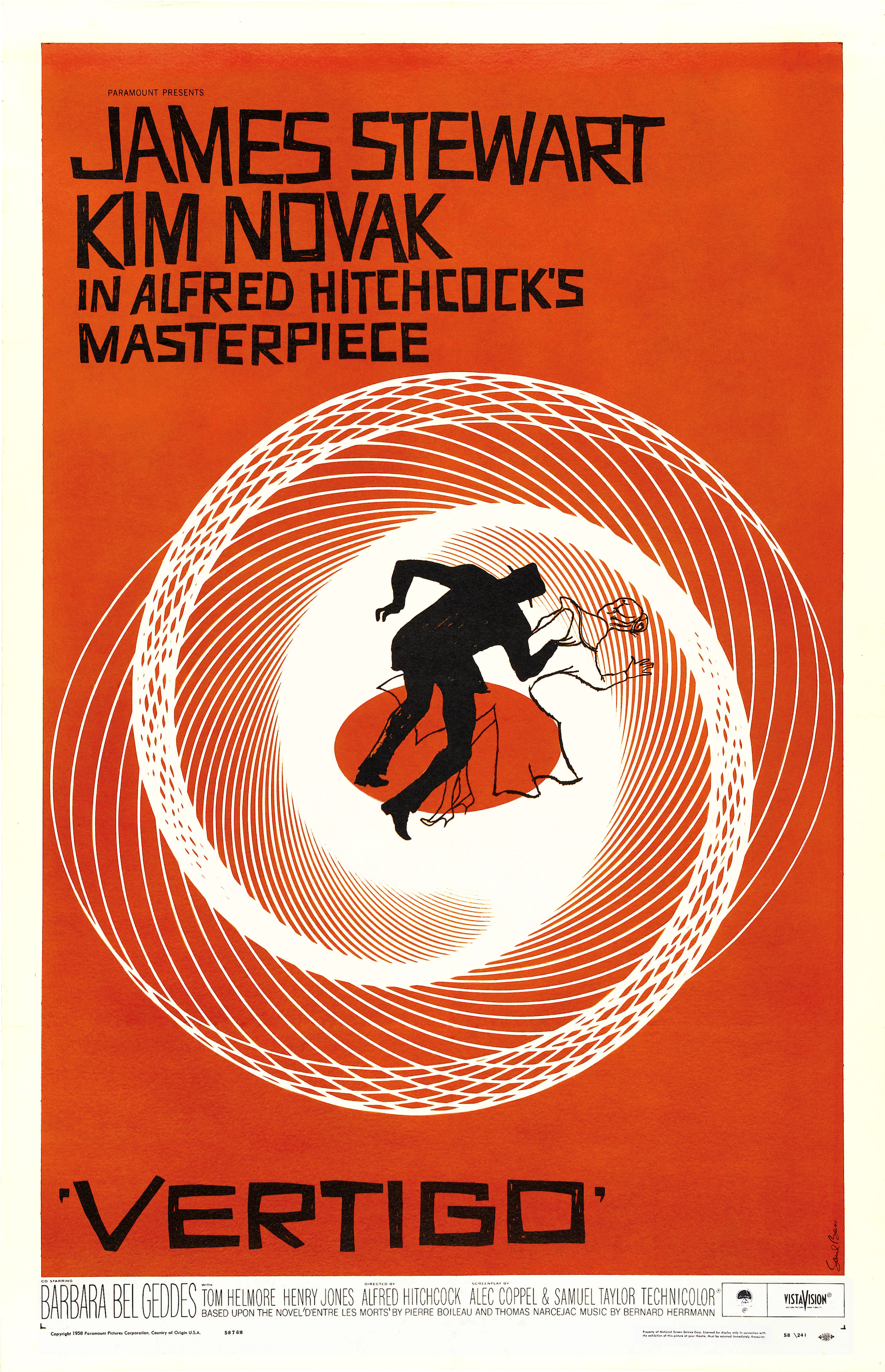
VERTIGO:
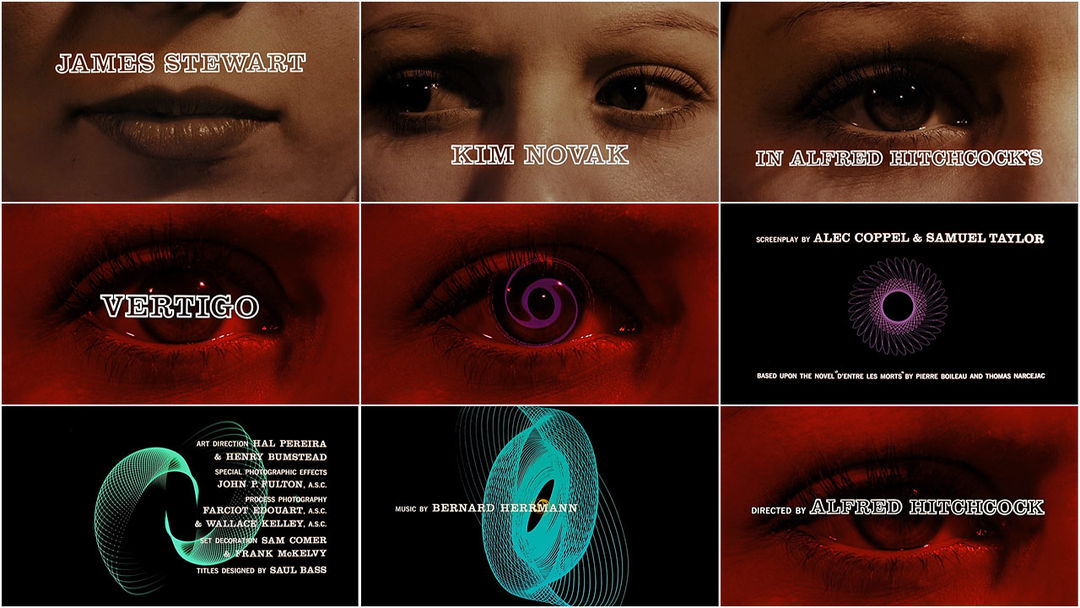
Alfred Hitchcock's "Vertigo" has a must-see credit sequence; it’s brilliantly orchestrated. The sequence starts off with an extreme close-up of a woman’s face that slowly gets consumed by abstract spiral animations. These animations, along with Bernard Herrmann’s terrifying score, make the audience very uncomfortable, which sets the stage for the rest of the film.
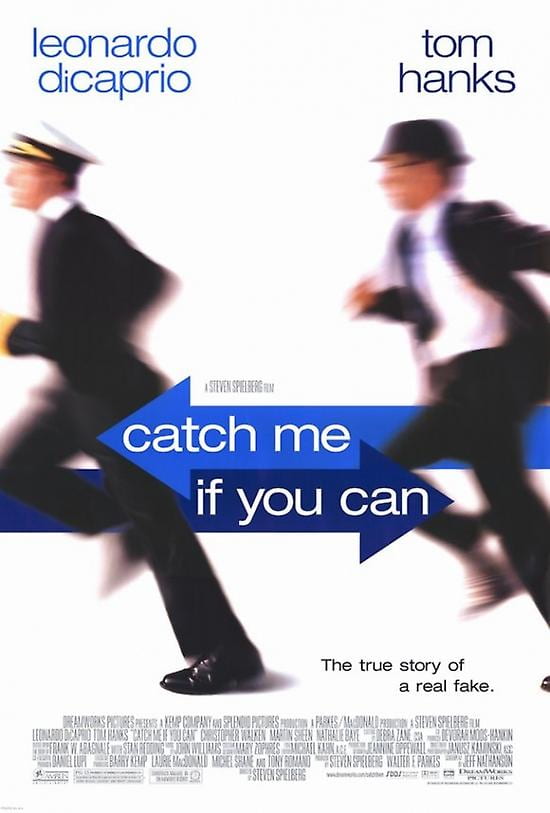
CATCH ME IF YOU CAN:
Steven Spielberg's "Catch Me If You Can" does a brilliant job of foreshadowing events with its credit sequence. The sequence takes you on a journey through different places in an animated-style environment. This tells the audience exactly what to expect from a film like this and delves more deeply into the places that the chase of Frank Abagnale would end up going.
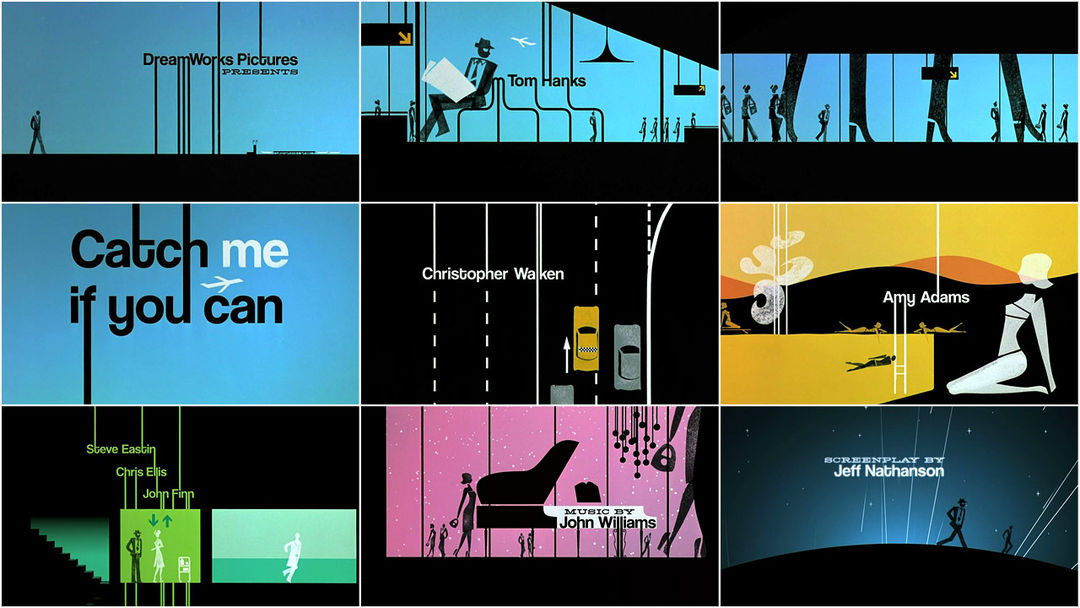
The film also plays into the 1960s-style fonts, animation, and color palette, giving the audience an early taste of the era in which the film takes place. The use of color also gives you an idea of who the protagonist and antagonist are in the film, with the protagonist being in a brighter silhouette and the antagonist being in a darker one.
The brilliant score by John Williams also plays into that playful chase feeling and brings you into the sequence as if you are watching an actual chase unfold.
All I want to take away from this sequence is the use of color fitting the era that the film is set in. The use of color is so important in film, and using it effectively can dramatically change the tone of your film.

THE GIRL WITH THE DRAGON TATTOO:
David Fincher's "The Girl with the Dragon Tattoo" captures the essence of the film without needing to say a word. It provides you with the information you need to understand the tone and eeriness that this film will have. It’s sadistic, cold, dark, and chilling to watch. The credits take you on a ride before the film even begins, and to me, that is what makes it such a good credit sequence.
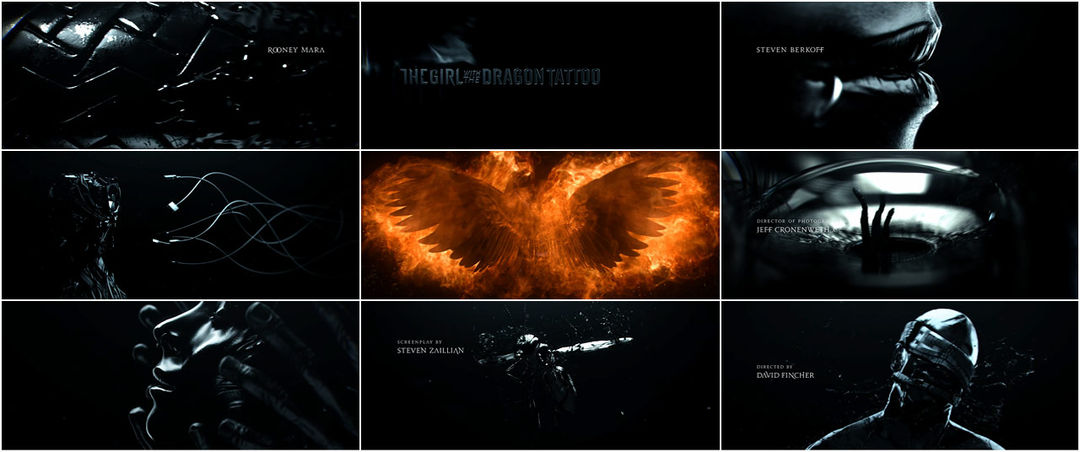
The use of color also foreshadows the dark undertones this film will have, showing you everything you need to know before the film begins. Plus, the score heightens your emotions in a way that works perfectly with the visuals. It’s a very raw and mature opening, but it definitely takes you on a ride.
One thing I would want to take away from this film's credit sequence is the use not just of the film's score, but of songs that have already been composed, used as a credit song to enhance the tone of the film.


No comments:
Post a Comment