Thursday, January 29, 2026

Portfolio Project Schedule/Timeline:

Portfolio Project Schedule/Timeline:

AICE Media Studies AS has taught me a lot throughout the year, but the one thing that I've taken away of it the most is knowing that the most prepared people in our world, are the one's that do the best and can troubleshoot any issues that arises.

With that being said here are is my schedule for my Cambridge Portfolio Project:

Schedule Breakdown:
  1. Research 
Analyzing examples of film openings within my chosen genre
Analyzing movie plot examples within my chosen genre

      2. Planning

Brainstorming
Finalize plan
Script writing
Finding the soundtrack
Storyboarding 
Finding actors/Crew members

     3. Production

Shooting Scenes
Capturing Audio

      4. Editing

Editing the footage together
Include title card and credits

     5. Revisions

Make sure everything has be completed production wise
Reshoot anything that needs to be re-shot
Look over all the footage

     6. Critical Creative Reflection

Reflect over the entirety of your film opening
Edit and review CCR

Timeline Of Schedule:


Week 1:

Plan the story
Write the script
Start storyboards
Search for music(If necessary)

Week 2:

Find shooting locations
Finish storyboards
Cast the actors
Confirm filming days
Ask for permission to use music(If necessary)

Week 3:

Production:
Start production(Complete production)
Record foley sounds

Week 4:

Start editing
Finish rough edit

Week 5:

Re-vise first rough edit
Mark down things that need to be added or reshot            

Week 6:

Re-shot scenes
Re-record necessary foley sounds
Start editing the final cut of the film opening

Week 7:

Complete editing the final cut
Revise the final cut of the film opening

Creative Critical Reflection:
  • Create the reflection
  • Edit and review CCR

Obviously, in film production something unexpected is bound to happen. This will be our schedule if everything goes to plan, but if anything unforeseen occurs, I will adjust the schedule to work around the issue.


Inspiration Pictures:


\


Sunday, January 25, 2026

THE SHOW MUST GO ON:

THE SHOW MUST GO ON

Drama Research:

Drama films often rely on complex character development. They explore personal, emotional, and social conflicts that are sometimes bigger than the characters themselves. The narratives usually revolve around themes like family, relationships, love, romance, loss, grief, tragedy, personal growth, and identity. 

Drama usually tends to evoke strong emotional feelings from the audiences. They highlight characters inner thoughts, feelings, and most importantly, moral dilemmas. People are interested in drama because it's the one genre that most people can relate to. Its themes and stories provide people a chance to be seen on a grander scale.

Typically, the target audience for drama are people over the age of 18.

Techniques that are usually used in drama are close-ups, slow pacing, minimal action, natural lighting, authentic dialogue, location shooting, subtle musical score, and muted or warm color palettes.

There are many sub-genres of drama, including coming-of-age dramas, prison dramas, and crime dramas. Let’s dive more in depth into coming-of-age and prison dramas.

Examples:

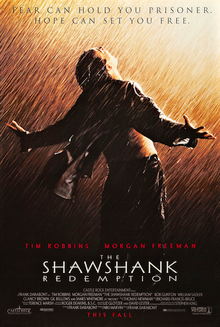
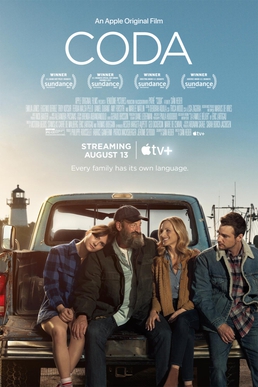
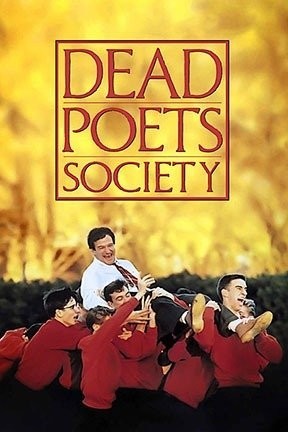
The Shawshank Redemption - WikipediaCODA (2021 film) - WikipediaDead Poets Society | Rotten Tomatoes


Prison Drama:

The prison sub genres focus heavily on criminal activity. What it's like inside prisons, the struggles of inmates, and the attempts at redemption and survival.

An example of this is Frank Darbont's "ShawShank Redemption".

This film shows precisely what prison drama are made, it shows corruption, hierarchy among inmates, crime backstory. But, most importantly it provides themes of hope and preservance, human connection, freedom, friendship, and justice.

"ShawShank Redemption"uses long takes of prison routines to emphasize oppression, close-ups to capture emotion and introspection, slow pacing to develop relationships and tension, narration to provide insight and reflection.


Coming-of-Age Drama:

The coming of age sub genre is one of the most well-known sub genres. It focuses on emotional and moral growth of a young protagonist. Some key elements include identity formation, personal challenges, and life lessons.

An example is Peter Weir's "Dead Poets Society"

This film perfectly portrays a coming of age story by using Neil Perry, one of the characters in the film, struggles between personal dreams and parental expectations. The "Dead Poets Society" uses themes like mentorship, inspiration, freedom, rebellion, tragedy, and loss.

The "Dead Poets Society" uses techniques like close-ups, music, and symbolism to emphasize emotional and psychological depth.

CHASE THE SUSPENSE, EMBRACE THE THRILL:

CHASE THE SUSPENSE, EMBRACE THE THRILL

Thriller Research:

Since hearing about my Cambridge Portfolio Project needing to be a film opening, I immediately started diving into different concepts that I could approach. While brainstorming, I came upon the realization that all my ideas are dark, suspenseful, and heart-pounding. I’ve decided to research the thriller genre to gain more inspiration. I’ve watched films from iconic directors that have a mastery over the thriller genre, like David Fincher, Alfred Hitchcock, Brian De Palma, and Bong Joon-ho.

The thriller genre is designed to evoke intense feelings, especially tension, suspense, and anxiety. Thrillers have a way of keeping the audience on their toes throughout the entirety of the film. The genre loves to put characters in high-stakes situations involving life-or-death dilemmas. Usually, themes that thrillers like to guide towards are good vs. evil, justice and revenge, survival, identity and memory, and fear of the unknown. Themes like these help provide the intense emotional feeling that thrillers bring.

The thriller genre target audience is around 15–30-year-olds, so mostly young adults.

There are many sub-genres as well, including psychological thrillers, action thrillers, and crime thrillers. Let’s dive more in depth into psychological and crime thrillers.

Examples:

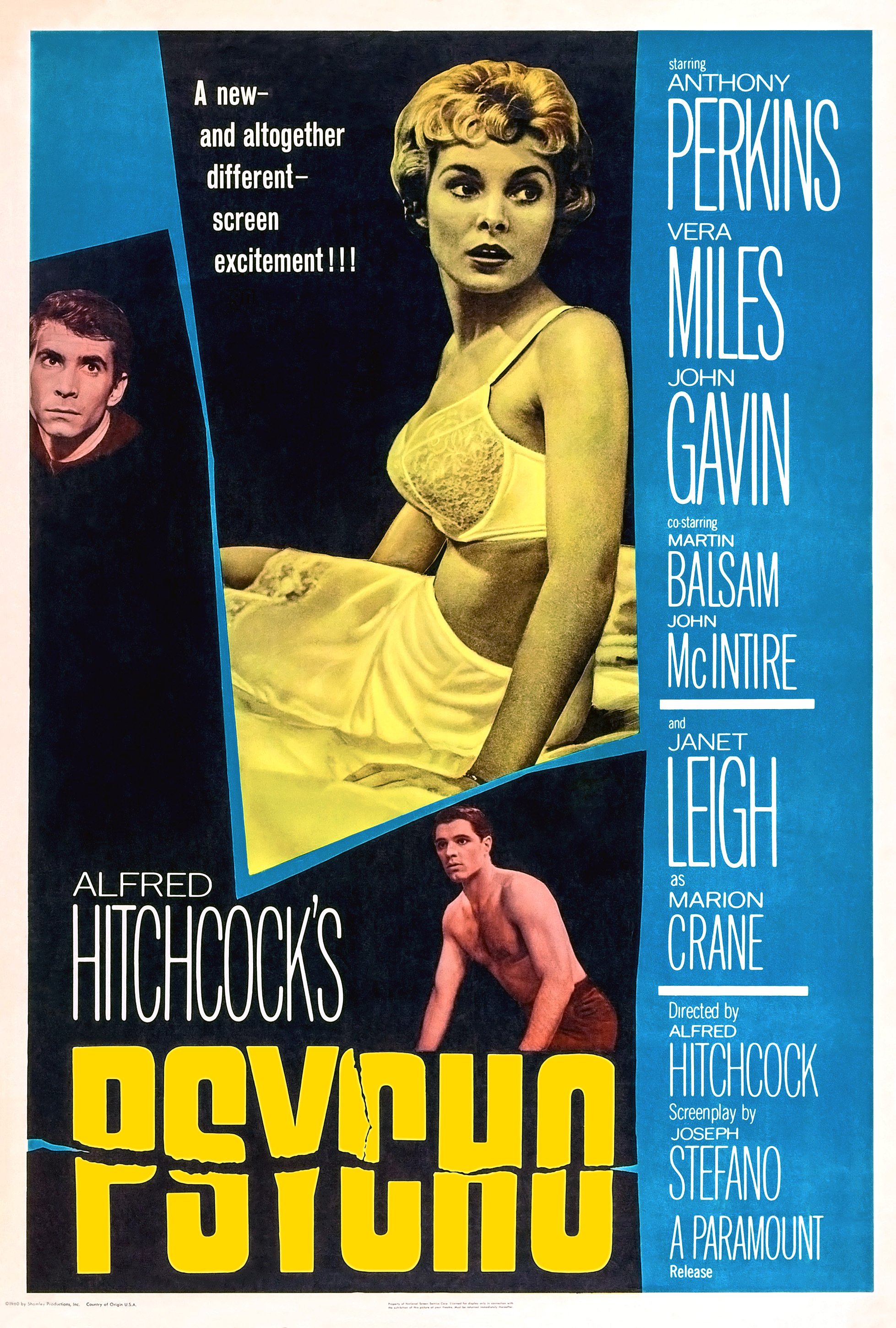
Prime Video: Seven (1995)Psycho (1960 film) - WikipediaThe Untouchables (1987) - IMDb

Psychological Thrillers:

A sub-genre of the thriller genre that relies on mental and emotional conflict. This leads to the characters dealing with external and internal conflicts. Rather than relying on massive explosions, psychological thrillers provide that unsettling feeling by exploring the human mind, trauma, and paranoia.

A perfect example is David Fincher's film "Se7en". The film’s focus isn't to provide the most gory or violent moments, but to manipulate the audience and the characters.


"Se7en" provides an unsettling atmosphere by using low-key lighting techniques, tight close-ups, dark, desaturated visuals, slow pacing early on, accelerating toward the climax, and the use of silence to increase tension.

Crime Thrillers:

Another sub-genre of the thriller genre that mainly focuses on criminal activities. This usually leads to pursuits, investigations, and moral conflict. Narratives follow detectives, criminals, or ordinary people that end up confronting crime.

An example of a crime thriller would be Brian De Palma’s "The Untouchables". The film focuses on law enforcement vs. criminal organizations. This creates tension through danger and corruption.


"The Untouchables" establishes its criminal tone by using strong contrasts between clean government spaces and dark criminal spaces, editing techniques like cross-cutting during action sequences, and period costumes and sets to establish time and power.

Wednesday, January 21, 2026

Transitioning into the Cambridge Portfolio Project:

Transitioning into the Cambridge Portfolio Project

Hello Cambridge Members!!!

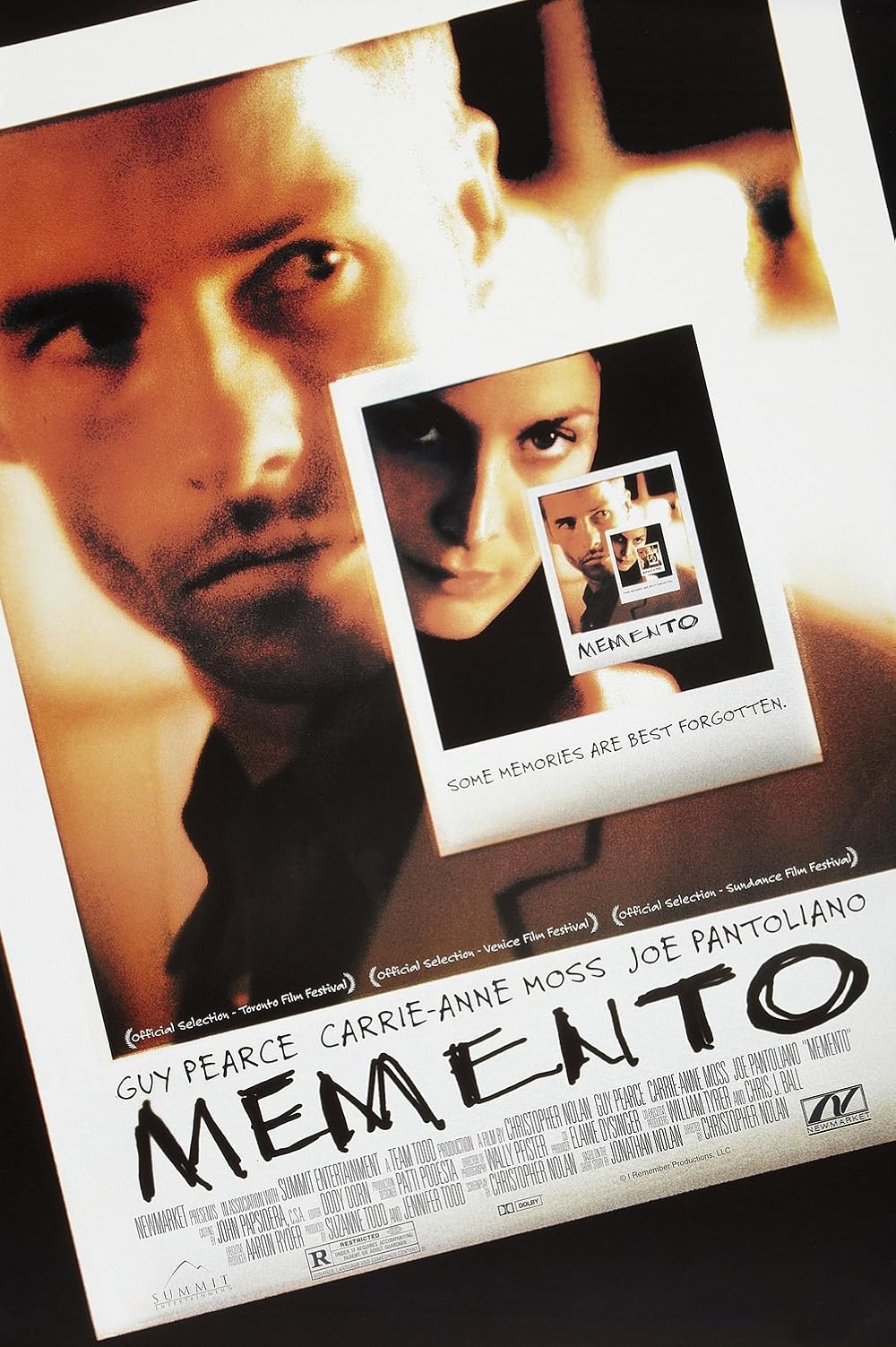
From now on, all my blog posts will be about and include details about my Cambridge Final Project. I've posted quite a few blog posts on blogger already, those blog's have shown and taught me necessary lessons that will provide me with significant tools, that will guide me in creating the best possible final project possible. This task won't be easy, but I'm excited to take on the challenge. Creating a beautiful and excellent film opening takes lots of time and effort, throughout this course I've watched plenty of film openings which include:

Memento (2000) - IMDb

Parasite (2019) - IMDb

The Silence of the Lambs (film) - Wikipedia

These films have shown me what it takes to create an excellent film opening. Each of these productions provides the audience with essential information while introducing either the concept or the characters with minimal dialogue. As I take on this challenge, my goal is to show the audience what they need to know rather than tell them. As a creative, I have always believed that it is more effective to communicate through visuals than to rely on dialogue. Visual storytelling is incredibly important to me and is my favorite aspect of cinema.

My aim is to immerse the viewer from the very first frame, to allow them to escape their own world and enter the one I have built for the duration of my film opening. Films like the ones mentioned above will serve as inspiration as I work to develop and achieve this concept. I will continue to document and reflect on this process through my blogs as I navigate the creation of my film opening.

"DECEDENT" LINKS:

 "DECEDENT" LINKS: Film Opening:  DECEDENT FINAL VERSION CCR #1:  CCR #1 FINAL VERSION CCR #2:  CCR #2 FINAL VERSION